
Blaming Ghosts Is Easier
Why neglect is often disguised as folklore, and what it reveals about our standards

There is something oddly comforting about blaming ghosts. When a building leaks, cracks, or quietly falls into disrepair, unseen forces make a convenient culprit. Ghosts absolve us of responsibility. Maintenance, by contrast, is mundane, repetitive, and expensive. It demands attention long after the ribbon cutting ceremony is over. Blaming the supernatural is simply easier than doing the work.
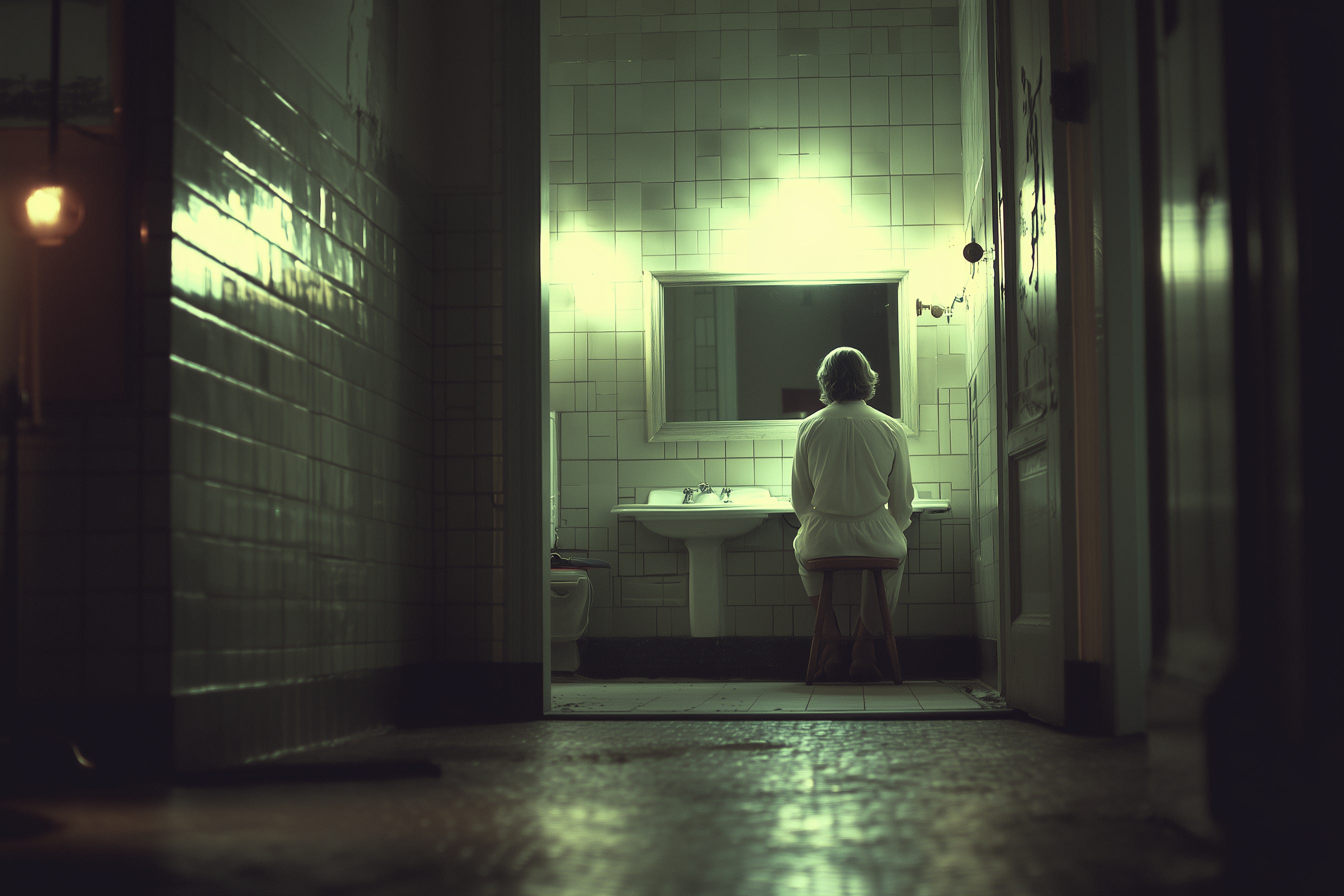
Many Sarawakian cities and towns, for example, have stories of haunted buildings where neglect is most visible. Peeling paint becomes a sign of disturbance. Broken plumbing is reframed as paranormal mischief. Flickering lights are no longer faulty wiring but a presence. Once a place is labelled haunted, decay stops being a failure of care and becomes part of the narrative. The story replaces accountability.
The truth is far less mysterious. Maintenance costs money, and that money must come from somewhere, usually from businesses that operate profitably within these buildings. When cash flow tightens, maintenance is often the first thing deferred. But neglect is not only a financial problem. It is also a capability problem. Good maintenance requires knowing what to do, making informed choices about materials, understanding appropriate uses, and applying the right maintenance practices over time. Poor decisions, rushed fixes, and inappropriate renovations often accelerate decline rather than prevent it.
Maintenance also does not begin after a building is completed. It begins at the design stage. Sensible layouts, durable materials, and climate appropriate construction reduce long term wear and tear. Maintenance is not about endlessly fighting time and weather, but about making smart choices early so that upkeep remains manageable decades later. When these decisions are ignored, maintenance becomes an exhausting and expensive battle.
This brings us to a deeper cultural bias. We tend to celebrate projects more than operations. There are, broadly speaking, two types of people in any organisation. Project managers start and end projects. Their work has clear milestones and a neat finish. They create something new and launch the shiny thing. Their success is visible and often celebrated.
Operations managers, on the other hand, run the show day in and day out. Their work has no beginning and no end. They turn on the lights every morning and switch them off at night. They take out the rubbish, pay the bills, schedule repairs, manage complaints, and prevent small issues from becoming large failures. When they do their job well, nothing dramatic happens. And because nothing dramatic happens, their work is often invisible.
Yet it is the operations manager who determines whether a building retains its value over its lifetime. A good operations manager preserves value. They keep money flowing, customers satisfied, and systems functioning smoothly, effectively, and efficiently. Without strong operational discipline, even the most ambitious projects quietly deteriorate. Haunted buildings are rarely the result of bad beginnings. They are the result of neglected middles.
Responsibility, however, does not stop with owners and managers. We as consumers are complicit as well. When we continue to stay in cockroach infested hotels, tolerate filthy toilets, or accept visibly neglected premises, we signal that these standards are acceptable. Businesses respond to what customers are willing to endure. If decay is tolerated, it becomes normalised.
The standards we accept speak volumes about us as a people. They reflect what we value, what we excuse, and what we choose to ignore. Superstition may be entertaining, but it should never be a substitute for competence. Ghost stories make for good headlines. Good maintenance makes for safe buildings, sustainable businesses, and dignified public spaces.
In the end, it is almost never the ghosts. The real challenge is not just exorcising the ghost from our buildings or from this part of our culture, but having the will to do so in the first place. Without that resolve, the space we occupy will always be haunted by neglect.
💯
In the end, it is never the ghosts.